Recalibrate: 10 Steps Every Church Must take this Year, Or Be Dead In A Decade
Everything but Jesus and the Bible must be on the table.
by Karl Vaters – Keynote Speaker at the 2018 Mission & Ministry Summit
The church is not dying. It’s in fine shape. Jesus said he’d build it, and he is. Relentlessly and beautifully.
But individual congregations, denominations, and ideologies? Now that’s another story.
While the church of Jesus around the world continues to move forward, chasing away the darkness with the light of Jesus, many local expressions of the church are watching their candles flicker in recent years.
RECALIBRATE CHURCH
I believe the next decade or two will be critical for the western church. The culture around us is experiencing a once-in-a-millennium shift right now. A recalibration of the way we think about everything from our morality, to our sexuality, to our identity, and our theology.
It’s only just beginning. And the pace of it is being propelled into hyper-speed by new technology.
So what’s the local church to do? We must hold two seemingly competing ideals in our hands at the same time.
Ideal #1: Stand strong on the unchanging principles of God’s Word.
Ideal #2: Adapt our methods to a fast-changing world. If we hope to do these two things well, local congregations must reinforce the following 10 principles. And the sooner we get to work on them, the better.
1. REESTABLISH THE BIBLICAL ESSENTIALS
According to a recent article in The Washington Post, churches that stand firm on the biblical essentials are more likely to be thriving, while those that compromise on them are more likely to be dying.
We shouldn’t need a newspaper article to tell us to stick to the essentials. While everything else can change, the essentials cannot. Any church that abandons biblical principles won’t just fail to survive, they don’t deserve to.
2. EMPHASIZE DISCIPLESHIP AND LEADERSHIP TRAINING
The days of hiring a team of pastors to do all the ministry of the church is dying. Finally.
Instead, churches that thrive are taking Ephesians 4:11-12 seriously by equipping the saints to do the work of ministry and raising up a team of ministers.
In the coming decades, the pastor’s main task must shift from preaching and caregiving to training lay leaders to do the ministry of the church. That has always been our calling, anyway. Events on the ground are now forcing us to do it the biblical way.
For many, maybe most churches, this will be a long-term turnaround of attitudes and methods. Start now, or you may miss the boat.
3. REDUCE YOUR OVERHEAD
By all accounts, giving trends are down and will continue to fall. Churches with top-heavy staffing, excessive mortgages and high maintenance bills will find themselves buried under their increasing weight in the coming decades.
If local congregations, denominations, and parachurch ministries hope to survive, they need to get to work on
- Getting out of debt (including mortgage).
- Reducing the percentage of paid staff.
- Training and empowering volunteers to lead and serve.
- Sharing expenses with other churches and ministries.
- Making bi-vocational ministry the new normal and anything else that can reduce the financial burden of church maintenance.
4. RETHINK YOUR BUILDING
Until very recently, if someone wanted to start a business, the first thing they did was find or build a store, office, warehouse, or other physical structure. Not anymore. Today, the rule is to avoid the encumbrance of a physical building for as long as possible. Churches need to do the same.
If your church doesn’t have a building, don’t be in a hurry to buy one. Stay nimble as long as possible. If you own a building – especially if you’re one of the growing number of churches that own a too-big building for your shrinking congregation – be relentless about finding creative ways to utilize the space as often as possible.
For many of our churches, it’s Use It Or Lose It time. As in, use the building or lose the church; facility, people … everything.
 5. WORK WITH STRATEGIC PARTNERS
In many places, smaller churches are banding together – even across denominational lines – to share resources, think strategically, mend old wounds, and minister to their shared community.
In addition, there is a small, but growing network of parachurch organizations that are increasingly willing to come alongside local churches for little or no money to share everything from outreach ideas to administrative assistance, to graphic design and more.
Start by asking around on social media. You may be surprised what you’ll find. Or start a network yourself. It’s easier to do now than it’s ever been.
6. ENGAGE YOUR COMMUNITY
Churches must stop being identified by the location of their building and start being recognized for the passion of their heart.
A church that’s known as “the people who love kids (or addicts, or single moms)” has a much higher likelihood of thriving and surviving than the church that’s known as “the old building on the corner of First and Main.”
7. EMPHASIZE JESUS OVER TRADITION (OR DENOMINATIONS, OR BUILDINGS, OR POLITICS, OR…)
Everything but Jesus and the Bible must be on the table. Ask yourself this question. Would I be willing to give up (insert your preferred method or style here) if it meant doing a better job of reaching our community for Jesus?
If anything you’d put in that blank makes you pause (other than the biblical essentials), it’s an idol that must be abandoned.
8. RESTRUCTURE WHAT NEEDS TO BE RESTRUCTURED
Quit fighting to keep your favorite ministry, method or tradition alive. If it’s not part of the solution, it’s part of the problem.
9. MAKE DISCIPLES, NOT JUST CONVERTS
Converts join a club. Disciples start a movement. Converts follow traditions. Disciples follow Jesus. Converts change their minds. Disciples change their lives. And other people’s lives.
10. FIGURE OUT WHY YOUR CONGREGATION SHOULD SURVIVE
If your church disappeared tomorrow, what would really be lost? Yes, that’s the hard question. It might even feel cruel and uncaring. But it’s not. It’s essential. Any congregation that can’t readily answer why they should survive, won’t.
START TODAY
It’s been said that the best time to plant a tree is 20 years ago – the second best time is today.
The same goes for these principles. If you’ve been doing them, strengthen them. If not, get started now. Then be relentless at them. Not just this year, but every year. The survival of your local church depends on it.

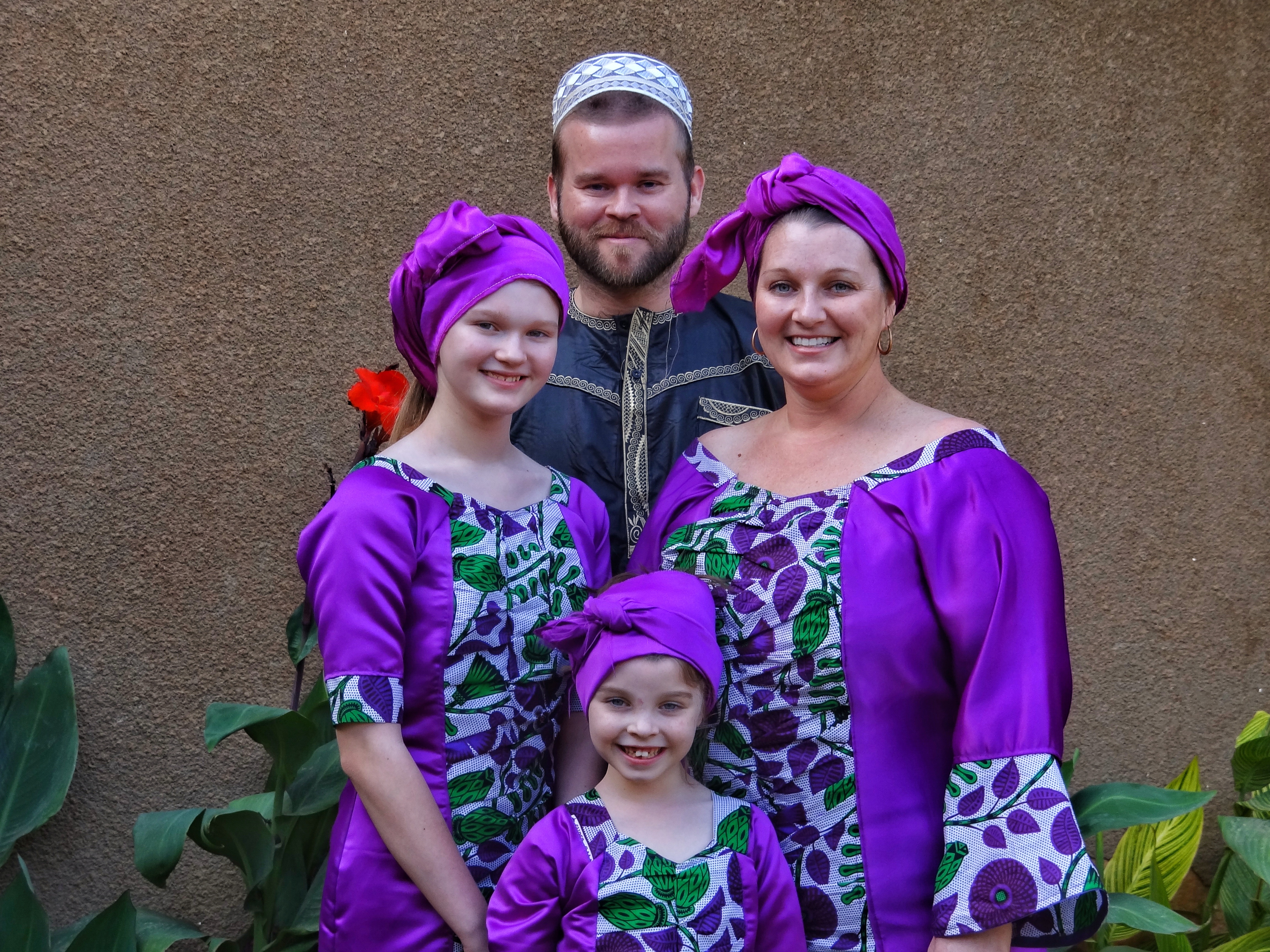 Transition is never easy. Whether it’s moving to a new place, changing schools or jobs, or even finding a new grocery store, there are always adjustments that have to be made. Adjustments are not easy. There are times of frustration. Sometimes the frustration is accompanied by tears. It stretches us in ways we don’t ask to be stretched….and it’s painful. While we are in midst of the transition (and transformation), we sometimes forget that He is still in control and has a plan for our lives. Later on, we can look back and see how God stretched us and molded us for His glory. This certainly gives us comfort as we push thru the challenging times of transitions.